


AmoraReads - Books & Stories
4.0316.00 Reviews
App Specs
- Version
- 1.4.1
- Updated On
- License
- Free
- Downloads
- 50,000+
- Developer
- Ivula-Tech
- Categories
- Books & Reference
- Platform
- Android
Screenshots
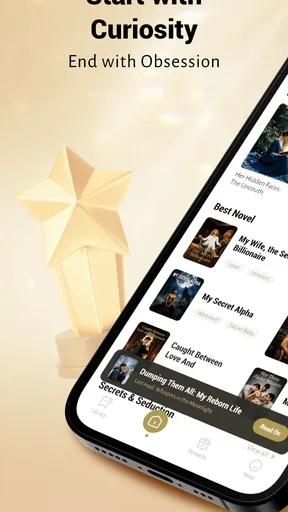
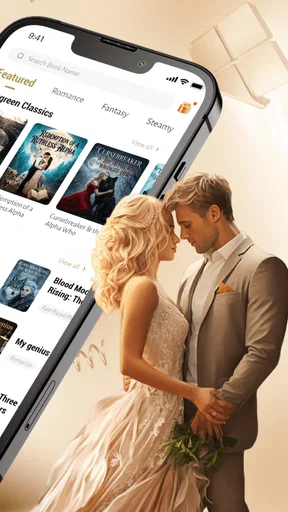
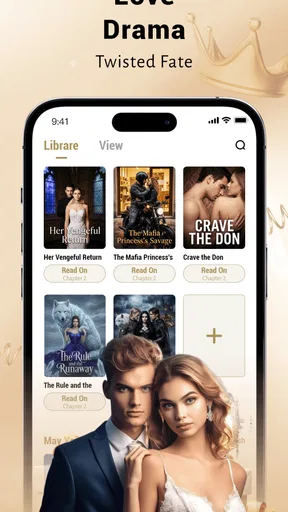
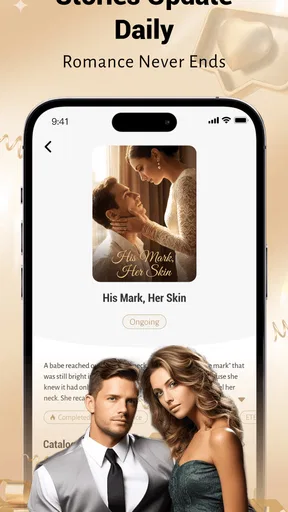
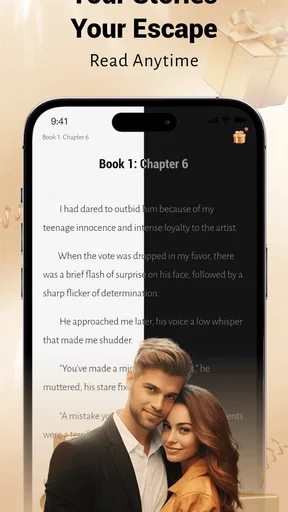
 Analysis by AppCompare
I spent time with AmoraReads as a mobile reading app and came away with a fairly clear impression: it is aimed at people who want stories close at hand without committing to a paid download before trying the experience. The app sits in the Books & Reference category, comes from Ivula-Tech, and is available free of charge. That makes the first decision easy, although the presence of optional purchases means “free” should be understood as free entry rather than a promise that every part of the experience will always cost nothing.
What interested me most was the way the app positions reading as something flexible and portable. I can imagine opening it during a commute, reading a few pages while waiting for an appointment, or returning to a story at night instead of carrying a physical book. It is not trying to replace every possible reading tool. Its appeal is more focused: bringing a story-reading space to a phone or tablet and making it simple to begin.
How AmoraReads fits into everyday reading
The app is published as AmoraReads - Books & Stories, while its store summary presents it as an immersive reading option for different moments of the day. In practice, that promise matters less as a slogan than as a question of habit: will the app make it easy enough for me to read regularly? For casual readers, the answer may be yes, especially when convenience matters more than a large set of advanced controls.
I would place it between a traditional ebook reader and a story-focused reading service. A normal ebook app is often built around files, shelves, highlights, and device synchronization. A story platform may put more emphasis on discovering ongoing fiction and returning frequently. AmoraReads appears more attractive to someone who wants the reading experience itself to be the center of attention rather than a complicated library-management system.
That distinction is useful when choosing between alternatives. If I already have a large collection of ebooks in several formats, I would first check whether this app fits the way I organize those books. If my priority is simply finding something readable on my phone and keeping the experience approachable, its focused identity becomes more convincing. It is not automatically the best choice for a serious reader who expects every desktop-style library feature.
The app has a Teen content rating, so it is not presented as an adults-only reading product. That does not mean every story will suit every teenager or family, and I would still pay attention to the content of individual titles. For a shared device, a younger reader, or a parent deciding what belongs on a child’s phone, the age label is a useful starting point rather than a substitute for personal judgment.
What “free” means here
The clearest value advantage is the entry price: downloading and starting with AmoraReads does not require an upfront payment. That is important because it lets a reader test the app’s style before spending money on a longer reading habit. I prefer this kind of low-risk entry when I am unsure whether a new reading service will suit my pace, screen, and taste.
Worth Reading Before You Choose

EA SPORTS FC Mobile 26 Is a Bigger Football Game, but It Takes Time

Flipboard Shows What News Apps Must Do Beyond the Feed

Switching to Android Auto Means Rethinking Your Driving Routine

Google Calendar Makes a Crowded Week Easier to Manage

Ludo King Makes the Most of the Minutes Between Plans

Baby Panda World Brings Quick Play to Modern Phones, but Its Game Library Feels Busy
At the same time, the app includes in-app purchases ranging from forty-nine cents to ninety-nine dollars and ninety-nine cents per item. Those options create a wide gap between trying the app for free and deciding to pay inside it. The practical lesson is simple: I would inspect the purchase screen carefully before confirming anything, especially if I am exploring several stories quickly or handing the device to someone else.
The purchase range does not by itself tell me which titles or functions require payment, so I would not treat every available story as included with free access. That is where the app demands a little attention from the reader. Free access is valuable for exploration; paid value depends on whether a particular story feels worth its individual price and whether I expect to finish it.
For readers who dislike recurring subscriptions, the listed purchase structure may feel more comfortable than an automatic monthly commitment, but that depends on how the app presents each item at the moment of purchase. I would make a habit of checking whether I am unlocking one story, a section, or another item before tapping the payment button. That small pause prevents the common mistake of assuming that an initial free experience means all later reading is included.
Where the value is strongest
The strongest value is convenience. A phone is already with me during small gaps in the day, so an app like this can turn those gaps into reading time without requiring a separate device. That matters for readers who do not want to carry a paperback, switch between several applications, or maintain a separate collection of downloaded files.
I also see value in the low-pressure trial. Someone who reads only occasionally can install the app, explore its available material, and decide whether the presentation encourages them to return. That is a better fit for an uncertain reader than immediately buying a complete library or paying for a service before understanding its style.
My favorite realistic use case is a short evening routine. I might open a story after putting my phone on charge, read until I feel ready to sleep, and stop without needing to remember where a physical book was left. The same workflow works during a lunch break or while waiting for public transport. The benefit is not that the app magically creates free time; it reduces the friction between having a few spare minutes and actually using them to read.
There is another useful workflow for people who struggle to finish books: choose one story, keep the app in the same place on the home screen, and use it only during a fixed daily pause. That makes the app part of a routine instead of another source of endless browsing. I would avoid opening it with no plan if I know I tend to spend more time selecting a story than reading one.
Small decisions that improve the experience
My first practical tip is to judge a paid item by the amount of reading I realistically expect to complete, not by the lowest visible price. A cheap purchase can still be poor value if I abandon the story immediately, while a higher-priced item may make sense for a reader who knows the author or format suits them. Since the available purchase amounts vary considerably, setting a personal spending limit before browsing is sensible.
Second, I would separate discovery from commitment. Use the free starting point to understand whether the app’s reading flow feels comfortable on your device, then decide whether a specific item deserves payment. This is more reliable than assuming that a polished first impression guarantees that every story will match your preferences.
Third, I would treat the app as a focused reading destination rather than a full replacement for every book tool. If I need to manage documents from several sources, keep extensive notes, or move a personal ebook collection between platforms, a dedicated ebook reader may be the better companion. AmoraReads makes more sense when the story catalog and the act of reading are the main reasons I am opening it.
A fourth useful habit is to consider the size of the screen and the length of each session. Phone reading is excellent for short bursts, but it can be tiring during long chapters, particularly for someone who prefers the calm of an e-reader. I would try a normal reading session before buying anything substantial. The app can be convenient and still not be the right physical format for a reader who spends hours with books.
What the numbers suggest, and what they do not
AmoraReads has an average rating of 4.0 from around eleven thousand ratings, with more than three hundred written reviews. That gives me useful evidence that a meaningful group of people has tried it, but I would not read the rating as a guarantee of a perfect experience. A four-point average usually signals a product that works well for many users while still leaving room for differences in expectations, content preferences, and device experience.
The app has passed fifty thousand installs, which places it beyond the stage of being an entirely untested newcomer. I find that reassuring when deciding whether it is worth a trial, although popularity alone cannot answer the questions that matter most to me: whether the available stories suit my taste, whether the reading flow feels natural, and whether paid items offer enough value for my habits.
The current version is 1.4.1, and the app supports devices running Android 7.0 or newer. That broad compatibility is helpful for readers who do not own a recent phone. Still, an older supported operating system does not guarantee that every older device will feel equally smooth, so I would keep expectations realistic if my handset is several generations behind current models.
Tradeoffs before spending money
The main tradeoff is between accessible entry and uncertain long-term cost. Free installation lowers the risk of trying the app, but the purchase range means a committed reader could spend much more over time than the initial download suggests. I would therefore evaluate each purchase separately rather than assuming the app is either completely free or automatically expensive.
Another tradeoff is focus versus breadth. A focused story app can feel less intimidating than a large ebook ecosystem, but readers who already rely on a carefully organized personal library may miss the flexibility of a general-purpose reader. If I want to import books I already own, read across multiple formats, or keep one unified archive, I would compare those needs against what AmoraReads is designed to provide before making it my primary app.
The phone-first format also has a comfort tradeoff. It is excellent for portability and spontaneous reading, but notifications, battery concerns, and a small display can interrupt a longer session. I would recommend it more enthusiastically to people who read in short intervals than to someone looking for a distraction-free replacement for dedicated reading hardware.
There is a similar tradeoff for families. The Teen rating makes the app more approachable for older children and teenagers, but I would not install it for a younger reader without looking at the actual story choices together. A rating is helpful context, yet the suitability of a particular title still depends on the reader’s age and personal boundaries.
Who is most likely to get value
I think AmoraReads is a good match for a casual fiction reader who wants an easy way to keep stories nearby. It is also worth considering for someone testing a new reading habit, because the free entry removes the pressure to buy a complete collection on day one. Teen readers and adults who enjoy reading in short mobile sessions are the audience I would point toward first.
It may also suit a commuter or shift worker whose schedule creates irregular pockets of time. The app can live in the same pocket as the rest of the day’s mobile tools, making it practical when a physical book would be inconvenient. For this reader, portability is not a minor feature; it is the reason the app may actually be used.
I would be more cautious recommending it as the only reading app for a dedicated book collector. If your routine depends on extensive organization, personal files, advanced annotation, or reading on a specialized screen, compare those requirements first. A conventional ebook reader may offer a better long-term home for that kind of library, even if AmoraReads is quicker to start.
I would also skip it if I am uncomfortable with item-based purchases or if I prefer knowing the total cost of a reading service in advance. The free starting point is attractive, but readers who want one predictable payment should examine the purchase flow and decide whether that model matches their budget before becoming invested in a story.
My recommendation after weighing the cost
My verdict is to try AmoraReads, but to treat the free access as an evaluation period rather than an unlimited promise. The app has a clear advantage for portable, low-friction story reading, and its established user base makes a trial feel reasonable. I would begin with free material, test the reading experience during a normal week, and only then consider paying for a story that I genuinely intend to finish.
The best reason to choose it is convenience with a low barrier to entry, not the assumption that every reading option will be free. That distinction keeps the value equation honest. If the app fits your taste and you prefer buying individual items, the available purchase range gives you room to decide title by title. If you want a fully predictable cost or a powerful personal-library manager, another reading solution may be a better match.
For me, AmoraReads earns a recommendation as a supplementary reading app and as a sensible first step for someone building a mobile reading habit. I would not call it an automatic replacement for a dedicated ebook ecosystem, but I would keep it installed if its stories made me return regularly. In short, AmoraReads is most worthwhile when its portability changes your behavior and gets you reading during moments that would otherwise disappear.
Because it is free to start, the decision does not need to be dramatic. Install it, see whether the reading flow suits your phone, check the cost of any item before confirming a purchase, and judge the app by how naturally it fits your real routine. That approach gives the app a fair chance while protecting you from paying for a reading experience that does not match your habits.
Pros
- Personalized reading recommendations help you discover new books.
- Clean interface makes browsing genres and titles straightforward.
- Useful for finding independent writers and lesser-known stories.
- Reading progress tools make it easier to resume books later.
- A varied catalog can appeal to readers with different tastes.
Cons
- Catalog size may be smaller than major ebook platforms.
- Some titles or features may require in-app purchases.
- Recommendation quality can vary depending on your reading history.
- Availability of books may differ by region or account.
- Offline reading options may be limited for certain content.
FAQs for AmoraReads - Books & Stories
What is AmoraReads - Books & Stories?
AmoraReads - Books & Stories is a reading app focused on digital books, serialized fiction, and story-based entertainment. Its catalog may include romance, drama, fantasy, mystery, and other popular genres. Readers can browse available titles, open individual stories, and follow their reading progress from a mobile device. The exact selection and features can vary by region and app version.
Is AmoraReads - Books & Stories free to download and use?
The application may be available to download at no initial cost, but some books, chapters, or premium reading features can require in-app purchases, credits, or a subscription. Before starting a story, check whether the chapters are free or locked and review the displayed pricing carefully. Availability of free content and payment options may differ between Android and iOS.
Does AmoraReads require an internet connection?
An internet connection is generally needed to download the app, browse the catalog, load story pages, synchronize reading activity, and access newly released chapters. If the app supports offline reading, eligible books or chapters normally need to be downloaded in advance. Users should not assume that every title can be read offline, particularly premium or recently updated content.
What types of books and stories can I find on AmoraReads?
AmoraReads is designed for readers who enjoy mobile-friendly books and ongoing stories, with categories potentially including romance, contemporary fiction, fantasy, suspense, drama, and other genres. The available catalog can change as titles are added, removed, or updated. Readers should explore the descriptions, ratings, tags, and content notices to decide whether a story matches their preferences.
Is AmoraReads suitable for children and younger readers?
Parents should review the app’s age rating, privacy information, and individual story descriptions before allowing a child to use AmoraReads. Some books may contain mature themes, romantic situations, violence, strong language, or other content intended for older audiences. Account, purchase, and advertising settings should also be checked, especially when the application is installed on a shared or family device.


